
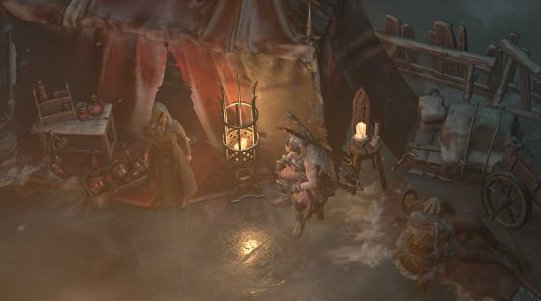
Diablo 4 has finally arrived, and players around the world are diving deep into the dark and dangerous world of Sanctuary. Whether you’re a returning fan or a newcomer to the series, the game presents challenges and rewards in equal measure. This Diablo 4 walkthrough guide will help you navigate the game’s expansive world, conquer its treacherous dungeons, and master the complex mechanics that make it both thrilling and daunting. In this article, we’ll cover everything from the basic controls to more advanced strategies for progressing through the game’s main story, side quests, and endgame content.
1. Getting Started: Basic Gameplay Mechanics
Before you dive into the depths of Diablo 4, it’s important to familiarize yourself with the basic gameplay mechanics. The game is a dark action RPG that emphasizes exploration, combat, and character progression. Here’s what you need to know:
Character Creation & Classes
Upon starting Diablo 4, you’ll choose a character class. The game offers five distinct classes, each with its own unique playstyle and abilities:
Barbarian: A powerhouse who excels in close combat and can switch between different weapons and stances.
Sorceress: A spellcaster who uses elemental magic to deal damage, control crowds, and manipulate the battlefield.
Druid: A shapeshifter who can transform into animals like a werewolf or bear and command the forces of nature.
Rogue: A versatile, stealthy character who can excel in both ranged and melee combat.
Necromancer: A master of the dead, summoning minions and casting curses to obliterate foes.
Choose a class that aligns with your preferred playstyle. For instance, if you like to tank damage and charge into battle, the Barbarian might be ideal. If you prefer casting powerful spells from a distance, the Sorceress could be your best bet.
The Basic Controls
The controls in Diablo 4 are intuitive but offer enough depth to keep combat engaging:
Movement: Move your character using the WASD keys (PC) or joystick (console).
Attack: Left-click (PC) or a specific button (console) to perform basic attacks.
Skills: Hotkeyed or mapped to your controller for quick access, each class has a variety of skills that can be activated during combat.
Inventory: Open your inventory to manage gear, potions, and other important items.
Map: The world map is essential for navigating the vast open world of Sanctuary.
2. The Story: Main Questline
The main storyline of Diablo 4 centers around the return of the dark goddess, Lilith, who has come to wreak havoc on the world. Your character, no matter their class, will embark on a journey to stop Lilith and her followers from bringing ruin to humanity.
Act I: The Return of Lilith
The game begins in the region of Fractured Peaks, where you will investigate signs of demonic activity. Early quests introduce you to the game’s systems and provide you with an opportunity to get used to combat mechanics. Key objectives in this act include:
Meeting various NPCs who will offer quests and help build the story.
Investigating the cause of demon attacks in the region.
Participating in a few key boss fights that introduce you to Diablo 4’s core mechanics of combat and skill customization.
Act II: The Cult of the Scourge
As you continue through the world, you’ll uncover the influence of The Cult of the Scourge, a powerful group of necromancers and cultists working in the shadows. These enemies will provide you with increasingly difficult challenges, and you’ll need to develop your character further by unlocking new skills, upgrading your gear, and honing your combat strategies.
Act III: The Heart of Darkness
In Act III, the stakes reach their highest. Lilith’s influence spreads, and more dangerous creatures begin to appear. You will travel through some of the most hostile areas in the game, including Hellish Plains and Demon’s Keep. Major events such as world bosses and massive group raids will be introduced here.
Act IV: The Final Confrontation
In this climactic act, your final battle with Lilith is inevitable. You’ll have to assemble a team of powerful allies, gather rare equipment, and uncover secrets hidden across the world. The conclusion of the game offers multiple endings, depending on your choices, which gives Diablo 4 a lot of replay value.
3. Leveling and Character Progression
Leveling Up
As you progress through the story and side quests, you will gain experience points (XP) and Diablo 4 Gold that contribute to your level. In Diablo 4, your level cap is set at Level 100, but getting to the maximum requires a solid understanding of how to optimize your character’s build.
When you level up, you gain access to:
Skill Points: Each class has a unique skill tree, and skill points can be spent to enhance abilities. For example, Sorceresses can enhance their fireball spells, while Barbarians might focus on improving their whirlwind attacks.
Attribute Points: These can be allocated to core stats such as Strength, Dexterity, Intelligence, and Vitality, which impact how your character performs in combat.
Legendary Gear: As you progress, you will encounter stronger enemies that drop powerful legendary items. These pieces of gear come with special modifiers that can drastically alter your playstyle.
Skill Customization
Each class has a vast range of abilities that can be customized through a deep skill tree. Experimenting with different builds is part of the fun. For example, a Sorceress might choose to focus on Lightning skills, creating a build that excels at controlling crowds with fast, chaining spells.
The game also introduces the Paragon System at level 50, which allows you to fine-tune your character’s abilities even further. This system lets you unlock additional passive bonuses and upgrade your stats even after reaching the level cap.
4. Combat Tips & Strategies
Combat in Diablo 4 is fast-paced, intense, and requires strategy. Here are some tips to help you succeed:
1. Mastering Your Class’s Skills
Each class in Diablo 4 has a set of unique skills that can be combined to create powerful combos. For example, the Barbarian can switch between different weapon stances to maximize damage output, while the Sorceress can create powerful elemental combos that devastate enemies.
Take time to experiment with different skill combinations and find the one that suits your playstyle best. Certain abilities have synergy with others, making them stronger when used in tandem.
2. Learn to Dodge
Dodging is a vital mechanic, especially when facing large groups of enemies or powerful bosses. Certain attacks in the game are telegraphed with a glowing effect, and dodging at the right time can help you avoid taking damage. Mastering dodging can be the difference between life and death in the most difficult fights.
3. Keep Your Distance (or Get Close!)
Each class has its own preferred combat range. Sorceresses, for example, do best when keeping their enemies at a distance and raining down spells from afar, while Barbarians benefit from charging into the fray with melee attacks. Adjust your positioning accordingly to maximize your efficiency in battle.
4. Utilize Environmental Hazards
Many areas in Diablo 4 contain environmental hazards, like traps, exploding barrels, and narrow choke points. Use these to your advantage to deal with large groups of enemies or take down tough bosses.
5. Side Quests and World Events
While the main story is your primary focus, don’t neglect the side content in Diablo 4. The game offers a vast open world filled with World Events and Side Quests that give you the opportunity to explore, level up, and gain powerful rewards.
World Events
World Events are dynamic, large-scale encounters that occur in certain regions. These events can range from battling waves of enemies to defending NPCs or defeating world bosses. Participating in these events not only rewards you with valuable loot but also provides a sense of shared experience with other players.
Side Quests
Side quests in Diablo 4 are plentiful and diverse. They often reveal more about the lore of Sanctuary and give you valuable cheap Diablo 4 Items, XP, and currency. Completing side quests also helps you to level up and strengthen your character, making them important for progression.
6. Endgame Content: What to Expect After the Story
Once you’ve completed the main story, Diablo 4 offers a wealth of endgame content. This includes:
Nightmare Dungeons: These are high-difficulty dungeons filled with tough enemies and elite bosses, designed for max-level players.
PVP Zones: Players can engage in player-vs-player combat in designated zones, testing their mettle against other players.
Seasons: Regular updates introduce new content, mechanics, and challenges to keep the game fresh for both casual and hardcore players.
Conclusion
Diablo 4 is a massive and deep game that offers hours of gameplay. Whether you’re a casual player looking to explore the world of Sanctuary or a hardcore fan aiming to conquer the toughest challenges, this guide should help you understand the basic systems and provide you with strategies for mastering the game.
Remember, the most important thing in Diablo 4 is to have fun while you explore, fight, and grow stronger. The world of Sanctuary is full of danger and excitement, and it’s waiting for you to uncover its secrets.